Expert Pest Control Services Warren County for Termite Protection
@manuelvynz240
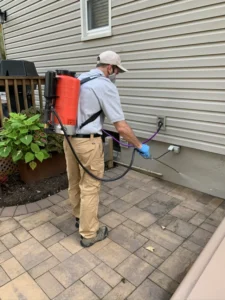
Termites rarely announce themselves when they move into a home. They work behind drywall, under flooring, inside sill plates, and along foundation joints where no one looks until damage has already taken hold. That quiet pattern is exactly why termite protection deserves a different level of attention than many other pest issues. Ants in the kitchen get noticed the same day. Wasps around the porch get addressed by the weekend. Termites can feed for months or years before a homeowner connects a sticky window, a blistered baseboard, or a faint mud line in the basement to a much larger structural problem.
For property owners searching for Pest Control Services Warren County, termite prevention is often the service that matters most over the long run. It protects more than lumber. It protects renovation budgets, resale value, insurance expectations, and the basic confidence that a home is sound from the ground up. In older neighborhoods, newer subdivisions, rural properties, and commercial buildings alike, the same truth applies: once termites are established, treatment becomes more expensive, repair decisions become more complicated, and the margin for error narrows fast.
A sound termite program is not built on fear. It is built on inspection, accurate identification, realistic risk assessment, and steady follow-through.
Why Warren County properties need a serious termite strategy
Termites do not care whether a house is historic or recently built. If there is moisture, wood, soil contact, and a path inside, they will exploit it. In areas like Warren County, where homes may range from century-old farmhouses to modern developments with finished basements, the risk profile changes from property to property. That is why generic treatment advice tends to fall short.
Older homes often have layered repairs, hidden additions, crawlspaces with limited access, and wood members that have seen decades of seasonal expansion and contraction. Those conditions can make inspection more difficult and create concealed entry points. Newer homes are not immune. Fresh construction can still contain vulnerable joints, utility penetrations, attached decks, mulch beds placed too high against siding, or grading issues that keep moisture near the foundation.
Moisture is one of the most common threads in termite jobs that turn serious. A slow gutter overflow, a downspout discharging too close to the house, condensation around plumbing lines, poor crawlspace ventilation, or an exterior grade that slopes the wrong way can all create conditions termites favor. Homeowners sometimes focus on visible insects and miss the environmental conditions that made the infestation possible in the first place. Good pest control companies do not make that mistake.
That is one reason experienced Pest Control Services Warren County providers start with a whole-property view. They are not just looking for insects. They are evaluating the structure, the surrounding soil, drainage patterns, wood-to-ground contact, landscaping decisions, and previous treatment history. Termite protection succeeds when the service plan matches the building, not when the building is forced into a one-size-fits-all package.
The damage termites cause is often more complex than people expect
When homeowners hear “termite damage,” many picture a few chewed studs in a basement corner. Real-world cases are often messier. Termites can weaken subfloors beneath bathrooms, compromise support around door frames, hollow trim from the inside, and travel through expansion joints or behind veneer where the infestation remains hidden. They may exploit foam insulation, cracks in slabs, and plumbing penetrations that look insignificant to an untrained eye.
What makes termite damage especially frustrating is the way it overlaps with other problems. Moisture damage, fungal decay, carpenter ant activity, and cosmetic wear can mask or mimic termite signs. I have seen sellers assume a soft windowsill was just old paint failure, only to learn that termites had been active below the surface. I have also seen buyers panic over every cracked piece of trim, when the real issue was water intrusion and rot, not termites. Distinguishing one from the other is exactly where trained inspection matters.
Repairs can also become expensive in ways homeowners do not anticipate. The cost is not just replacing damaged lumber. It may include opening walls, removing finishes, correcting moisture sources, regrading around the foundation, replacing insulation, and coordinating with a contractor after treatment is complete. The earlier termites are found, the more often the damage stays localized and manageable.
What a thorough termite inspection should actually include
A termite inspection worth paying for is methodical. It is not a technician glancing at a basement wall for five minutes and handing over a generic recommendation. A proper inspection examines accessible interior and exterior areas, with special attention to basements, crawlspaces, utility entry points, sill plates, support posts, expansion joints, porches, attached wood structures, and any areas where moisture has been a recurring issue.
The inspector should be looking for evidence of current activity, conditions conducive to infestation, and signs of prior treatment. Those are three different categories, and confusing them can lead to either under-treatment or overselling. Mud tubes, damaged wood with active galleries, swarm evidence, and live insects suggest current or Pest Control Services Warren County recent activity. Wood-to-soil contact, standing water, high mulch, and poor ventilation are conducive conditions that increase risk even if no termites are visible at the moment. Drill marks, trenching patterns, or installed bait stations may indicate previous termite work, which matters when deciding the next step.
Homeowners should expect clear communication. If evidence is inconclusive, the report should say so. If only part of a crawlspace was accessible, that limitation should be documented. If there is damage but no clear sign of current activity, the company should explain what was found, what remains uncertain, and whether further monitoring is appropriate. Vague reassurance helps no one.
Common warning signs homeowners should never ignore
Some signs are dramatic, but many are subtle. The problem is not that termite evidence is impossible to spot. The problem is that people often explain it away until several clues start appearing at once.
- Mud tubes climbing foundation walls, piers, or interior masonry surfaces
- Wood that sounds hollow or breaks apart in thin layers when probed
- Swarming insects near windows, doors, or light sources during the warmer season
- Paint that bubbles or peels over wood that seems otherwise dry
- Doors or windows that suddenly fit tighter because surrounding wood has shifted or weakened
None of these signs confirms the full extent of an infestation by itself. A sticking door may be humidity. Peeling paint may be age. But when one or more of these symptoms appears, especially around basements, crawlspaces, garages, or lower exterior walls, waiting is a gamble that usually gets more expensive with time.
Treatment is not one product, it is a strategy
A lot of termite marketing is built around a single product name or a broad promise of “full protection.” In practice, good termite work is less flashy and far more strategic. Different structures call for different methods, and sometimes the best result comes from combining approaches.
Soil treatments remain a core option for many properties. When applied correctly, they create a treated zone around and beneath structural areas where termites are likely to travel. On the right house, this can be highly effective. But success depends on access, application quality, and the way the structure was built. Slab homes, finished basements, additions, patios, and utility penetrations can complicate treatment paths. A rushed application may leave gaps where termites continue to move undisturbed.
Bait systems serve a different purpose. They are designed to intercept foraging termites and reduce colony pressure over time. Baits can be excellent for long-term monitoring and are often useful where a full liquid barrier is impractical or where owners prefer a lower-impact ongoing program. They are not magic boxes you drop in the ground and forget. Stations must be placed thoughtfully, inspected on schedule, and interpreted by someone who understands termite behavior.
Wood treatments have a role as well, especially in localized repairs, exposed framing, crawlspaces, or active infestations discovered during construction or renovation. They can add value, but they are usually one component of a larger plan rather than a stand-alone answer for an entire property.
The right provider explains trade-offs honestly. Liquid treatments may provide broad immediate protection, but access limitations matter. Bait systems offer monitoring and flexibility, but they require maintenance and patience. Spot wood treatment may help in one area, but it does not replace perimeter protection when the whole structure is at risk. Homeowners deserve that level of clarity before authorizing work.
Why prevention nearly always costs less than repair
Termite prevention can feel like one more home maintenance line item, especially when no active problem is visible. The economics become obvious once you compare it to structural repair. Replacing a section of damaged sill plate, opening a wall to inspect framing, rebuilding part of a porch attachment, or repairing subfloor damage around plumbing can quickly outpace the cost of ongoing preventive service.
There is also a timing issue. Preventive inspections and maintenance happen on your schedule. Repairs after discovery happen on the termite schedule, which is almost always worse. That can mean coordinating pest control, contractors, real estate deadlines, and insurance conversations all at once.
For homeowners planning to sell, documented termite protection and inspection history can also simplify negotiations. Buyers tend to react strongly to anything involving wood-destroying insects. Even when the issue has been treated properly, poor documentation or vague service records can create distrust. A clean, well-explained history from reputable Pest Control Services Warren County professionals often helps keep a transaction from unraveling over uncertainty.
The hidden role of moisture control
If I had to name one factor homeowners underestimate in termite prevention, it would be moisture. People think of termite control as something applied to the structure from the outside. In reality, many of the best outcomes come from reducing the conditions that invite infestation in the first place.
A damp crawlspace can make wood more vulnerable and more attractive. Leaking spigots create persistent wet soil near the foundation. Mulch piled too high can bridge the gap between soil and siding. Firewood stacked against the house creates a perfect staging area. Dense landscaping can hide mud tubes and trap moisture against lower wall sections.
A technician who points these things out is not upselling. They are doing the job properly. Some of the most effective termite recommendations are deceptively simple: extend downspouts farther from the foundation, correct a grade that drains back toward the house, maintain clearance between soil and siding, remove scrap lumber, and improve ventilation where moisture lingers. Treatment products matter, but environmental correction is often what determines how durable the result will be.
Choosing the right provider without getting lost in sales language
Not all termite programs are created equal, and not all companies train their technicians to the same standard. Homeowners shopping for Pest Control Services Warren County should pay close attention to how the company inspects, explains, documents, and follows up, not just what the quote says.
- Ask whether the company performs a full termite inspection before recommending treatment
- Request a clear explanation of why a specific method fits your structure
- Review warranty terms, retreatment provisions, and ongoing inspection schedules
- Look for written notes on access limitations, moisture concerns, and conducive conditions
- Choose communication you can understand over the cheapest or most aggressive pitch
A strong company does not need to rely on pressure tactics. It should be able to show you what was found, explain what is suspected, distinguish active signs from risk factors, and outline what happens after treatment. If the recommendation sounds identical for every property, that is usually a warning sign. Termite control should be consistent in principle, but tailored in execution.
What homeowners can do between professional visits
Professional service is the backbone of termite protection, but homeowners still influence the outcome between inspections. You do not need to become your own pest expert. You do need to keep the property observable and reduce easy opportunities for infestation.
Keep storage away from basement walls where practical, especially cardboard and scrap wood. Watch for plumbing leaks, even slow ones. Maintain a visible gap between siding and soil or mulch. Avoid stacking firewood directly against the house. If you have a crawlspace, make sure access stays clear enough for a proper inspection. If you notice swarming insects indoors, save a sample or take a clear photo if possible. Correct identification matters, and “flying ants” are often misnamed by worried homeowners.
It also helps to treat termite service as a relationship rather than a one-time transaction. Houses change. Decks are added, patios are poured, landscaping shifts, drainage patterns evolve, and finished spaces cover areas that were once easy to inspect. Every one of those changes can affect termite risk and treatment access. A provider who knows your property history can make better decisions than one seeing it cold for the first time after a problem appears.
Real estate transactions are where weak termite planning often shows up
One of the most revealing moments for termite protection is a home sale. A house can seem fine to its owner for years, then a buyer’s inspection brings old damage, hidden moisture, or untreated risk factors into sharp focus. That is when deferred maintenance becomes expensive.
Sellers are in a stronger position when they have recent inspection records, evidence of completed treatment if it was needed, and a clear explanation of any repaired damage. Buyers are in a better position when they ask not only whether the home has termites, but also whether there are conducive conditions that should be corrected after closing. Those are not the same question, and the second one often reveals the real long-term issue.
For agents and property managers, the lesson is straightforward. Reliable Pest Control Services Warren County support is not just about solving infestations. It is about creating documentation, reducing uncertainty, and preventing last-minute surprises that derail decisions.
Termite protection for commercial and multi-unit properties
Residential homes get most of the attention, but termite protection matters just as much in offices, rental properties, churches, retail buildings, and multi-unit housing. In those settings, the stakes can be even broader. Damage affects tenants, maintenance budgets, scheduling, and liability considerations. Access can be harder, inspection routes can be restricted, and signs of infestation can go unreported when no single occupant feels ownership of the issue.
Commercial and multi-unit plans need consistency. That means scheduled inspections, documented findings, maintenance coordination, and a clear point of contact for follow-up. It also means recognizing that cosmetic upgrades can conceal structural vulnerabilities if pest protection is not part of the planning. Fresh paint and new flooring do not stop termites. In some cases, they simply hide the symptoms longer.
Property managers who handle termite service proactively usually spend less over time than those who treat each issue as an isolated event. The reason is simple: the building behaves as a system. If one wing, slab joint, or crawlspace section stays damp and unmonitored, the problem rarely remains isolated forever.
The value of judgment over gimmicks
Termite work rewards judgment. Flashy promises do not replace careful inspection. A well-known product does not guarantee a good application. A low quote does not necessarily reflect the true scope of risk. The best results usually come from providers who understand construction, insect behavior, moisture dynamics, and the practical realities of maintaining buildings over time.
That kind of service tends to look almost unremarkable from the outside. It is thorough notes. Measured recommendations. Reasonable urgency when urgency is warranted, and restraint when it is not. It is someone noticing the grade line beneath a deck stair, the hidden moisture around a hose bib, or the old drill pattern that suggests a previous treatment worth discussing. Those details are not glamorous, but they are what keep termite protection effective.
For homeowners and property managers in Warren County, that is the standard worth looking for. Good termite protection is not a one-time reaction to damage. It is a disciplined process of inspection, treatment when necessary, moisture management, and periodic review. When handled well, it keeps a very expensive problem from ever becoming visible enough to ruin your week, your budget, or your confidence in the structure you rely on every day.
Affordable Pest Solutions LLC
Budd Lake, NJ 07828 (service-area business)
Serving Warren, Morris and Sussex Counties, New Jersey
Phone: +1 973-229-9547
FAQ About Pest Control Services Warren County
How much does pest control cost in NJ?
The cost depends on the pest, the size of the property, the extent of activity and whether follow-up visits are needed. Ask for an inspection and a written estimate that explains the treatment scope and any ongoing service charges. Affordable Pest Solutions offers free estimates for properties in its service area.
What are the most common household bugs in New Jersey?
Ants, cockroaches, stink bugs and spiders are among the pests that residents may encounter in New Jersey homes. Activity varies by season, moisture conditions and available entry points. Correct identification helps determine whether exclusion, sanitation, monitoring or professional treatment is appropriate.
What kind of bugs infest homes?
Ants, cockroaches and termites can establish persistent activity in or around homes. The signs and appropriate response differ by pest: trails, droppings, shed wings or damaged wood may warrant closer inspection. A pest professional can identify the cause and recommend a plan suited to the property.